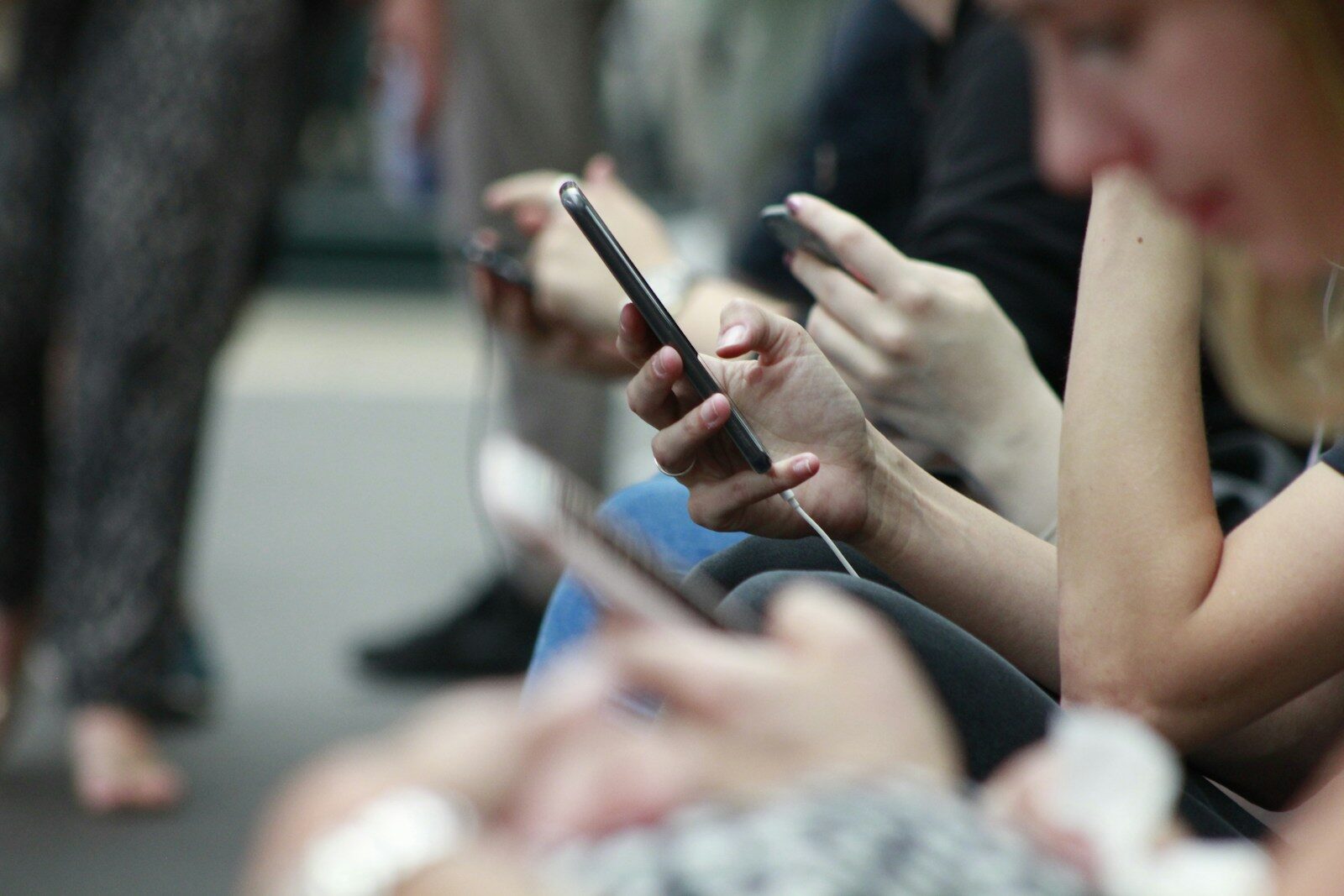
Australia has introduced one of the world’s strictest approaches to children’s use of social media by passing legislation that requires major social media platforms to prevent children under the age of 16 from creating or maintaining accounts. The policy was developed in response to growing concerns about the impact of social media on young people’s mental health, online safety, and overall well-being.
While many countries, including the UK have discussed introducing similar restrictions, Australia became one of the first to implement a nationwide age limit for social media access. The law has sparked widespread debate, with supporters arguing that it protects children from online harms, while critics question its effectiveness and potential impact on privacy and freedom of expression.
The Australian government introduced the legislation after reviewing evidence linking excessive social media use with anxiety, depression, cyberbullying, sleep disruption, and reduced self-esteem among young people. Studies have shown that many teenagers spend several hours each day on platforms such as Instagram, TikTok, Snapchat, Facebook, and X (formerly Twitter). Constant exposure to unrealistic beauty standards, online harassment, and addictive algorithms has led many experts to argue that stronger regulations are needed to protect children from these harmful influences.
Under the new law, children under the age of 16 are not allowed to hold accounts on major social media platforms. Unlike previous age restrictions, which often relied on users honestly entering their date of birth, the legislation places responsibility on technology companies rather than parents or children. Social media companies are expected to implement effective age verification systems to prevent underage users from accessing their services. Companies that fail to comply with the rules may face significant financial penalties, encouraging them to take stronger action against underage accounts.
The government’s decision reflects a broader effort to make digital environments safer for children. Officials argue that children are still developing emotionally and psychologically, making them more vulnerable to harmful online content, cyberbullying, online predators, and addictive platform designs. By delaying access to social media until the age of 16, policymakers hope to give young people more time to develop healthy social skills and emotional resilience before navigating complex online environments.
Supporters of the ban believe it represents an important step toward improving children’s mental health. They argue that reducing social media use may encourage more face-to-face interaction, greater participation in sports and outdoor activities, improved academic performance, and better sleep habits. Parents have also welcomed the policy, saying it reduces pressure on families who previously struggled to limit their children’s access when many of their peers were already using social media.
However, the legislation has also attracted criticism. Some technology experts question whether age verification systems can accurately identify users without collecting large amounts of personal information. Privacy advocates warn that requiring people to prove their age could increase the amount of sensitive data held by technology companies, potentially creating new security risks. Others argue that determined young people may still find ways to bypass restrictions using virtual private networks (VPNs), false identities, or accounts created by older individuals.
Critics also suggest that banning social media may not address the underlying causes of mental health problems among young people. They argue that education about responsible internet use, digital literacy, and online safety may be more effective than outright restrictions. Some child psychologists believe that supervised access combined with parental guidance could better prepare teenagers for responsible social media use rather than delaying exposure completely.
The legislation has attracted international attention, with governments in several countries closely monitoring Australia’s approach. If the policy proves successful in reducing online harms, other nations may consider introducing similar laws. At the same time, the effectiveness of the ban will largely depend on how successfully social media companies implement age verification technologies and enforce the new requirements.
In conclusion, Australia’s social media ban for children under 16 represents a significant shift in digital regulation aimed at protecting young people from online risks. The policy seeks to reduce exposure to cyberbullying, harmful content, and addictive online behaviour by placing greater responsibility on technology companies. Although the law has generated debate over privacy, enforcement, and personal freedoms, it reflects growing global concern about the impact of social media on children’s health and development. As the legislation is implemented, its outcomes will likely influence future digital policies in Australia and around the world