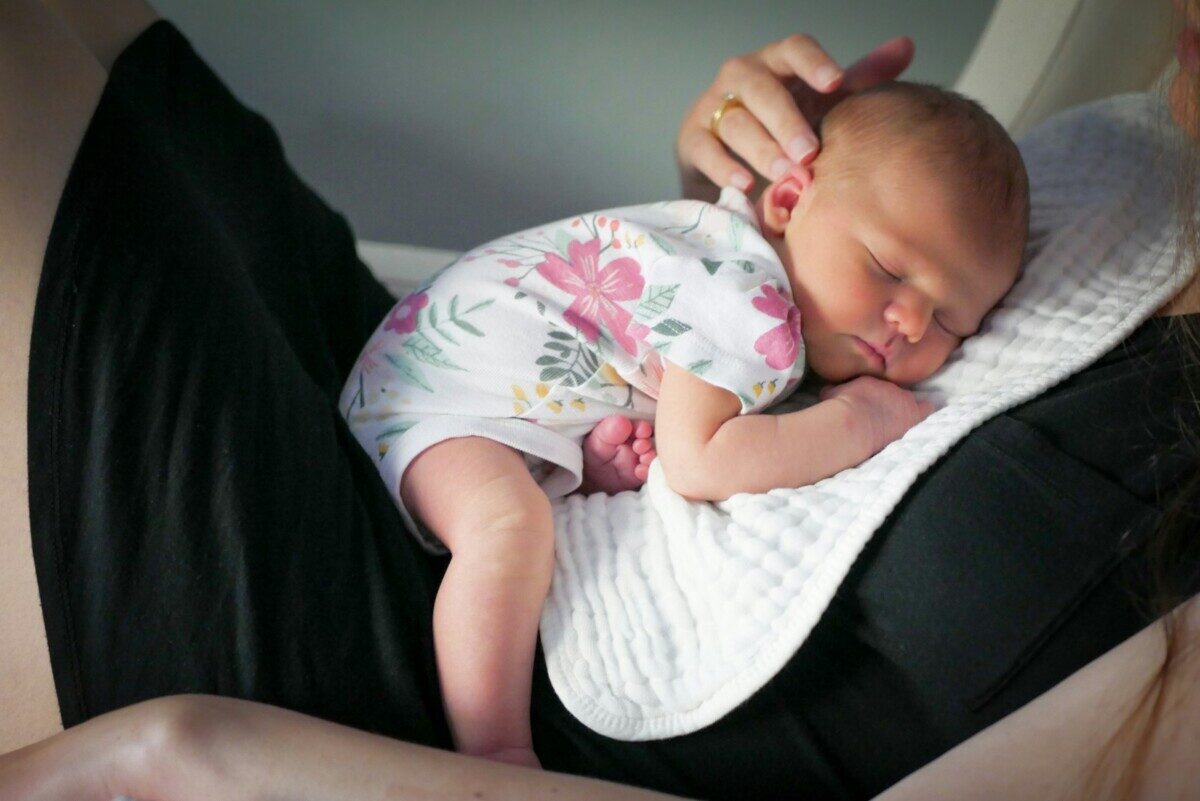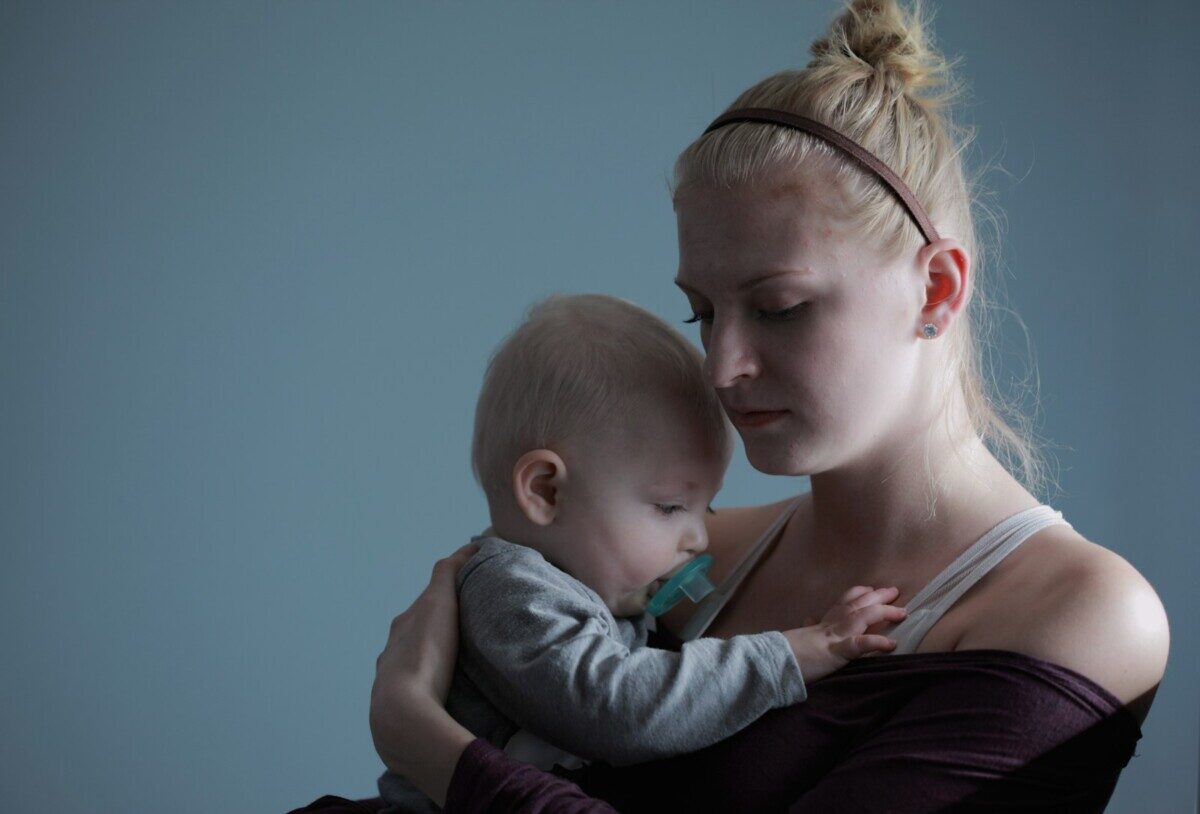
Support for mothers experiencing Postpartum Depression is an essential part of maternal healthcare and family well-being. Postpartum depression (PPD) affects many women after childbirth and can have a significant impact on emotional health, relationships, and daily life. While becoming a mother is often portrayed as a joyful experience, many women face feelings of sadness, anxiety, exhaustion, and emotional overwhelm during the postpartum period. Access to proper support can make a major difference in recovery and long-term mental health.
One of the most important forms of support is early recognition and open communication. Many mothers hesitate to speak about their emotions because of stigma, fear of judgment, or pressure to appear happy after giving birth. Encouraging honest conversations about maternal mental health helps normalize these experiences and allows mothers to seek help without shame. Healthcare providers, family members, and partners all play a role in recognizing warning signs such as persistent sadness, mood swings, difficulty bonding with the baby, sleep disturbances, or feelings of hopelessness.
Professional mental health care is often a key part of treatment for PPD. Therapists, counsellors, psychologists, and doctors can provide emotional support and evidence-based treatment plans tailored to each individual. Cognitive behavioural therapy (CBT), support groups, and medication may all be recommended depending on the severity of symptoms. In some cases, a combination of therapy and medication can significantly improve recovery and help mothers regain emotional stability. Sometimes it is something as “small” as a telephone call that can help mothers feeling like they just cannot cope, Panda’s offers this and support groups throughout the UK.
Family and community support are equally important. Practical help with childcare, cooking, cleaning, and daily responsibilities can reduce stress and prevent mothers from feeling isolated or overwhelmed. Emotional encouragement from partners, relatives, and friends helps mothers feel understood and valued during a vulnerable time. Even simple acts such as listening without judgment or offering time for rest can have a meaningful impact.
Peer support groups provide another valuable source of comfort. Speaking with other mothers who have experienced postpartum depression can reduce feelings of loneliness and create a sense of community. These groups allow women to share coping strategies, discuss challenges, and realize they are not alone in their experiences. Both in-person and online support communities have become increasingly accessible, helping mothers connect regardless of location.
Workplace and social policies also influence postpartum mental health. Access to paid maternity leave, flexible work arrangements, affordable childcare, and quality healthcare services can reduce stress and improve recovery outcomes. When mothers feel financially secure and supported during the postpartum period, they are often better able to focus on healing and bonding with their child.
Self-care is another important aspect of managing postpartum depression according to the NHS, although it can be difficult for new mothers to prioritize their own needs. Adequate sleep, nutritious meals, light physical activity, and personal time can support emotional recovery. However, self-care should not replace professional treatment when symptoms are severe or persistent.
Raising awareness about postpartum depression is essential for creating compassionate and informed communities. PPD is a medical condition, not a personal failure, and mothers experiencing it deserve understanding, treatment, and ongoing support. By improving access to mental health services and encouraging open conversations, society can help ensure that mothers receive the care they need during one of the most important transitions of their lives.