The UK is experiencing a resurgence of measles, a highly contagious viral illness that had previously been brought under control through routine childhood vaccination. Rising case numbers across England, alongside concerns about vaccination uptake in Wales and Scotland, have prompted renewed public health warnings and calls for parents to check their children’s immunisation status.
Health officials say measles spreads extremely easily, particularly in school and nursery settings where children are in close contact. While many children recover without complications, measles can lead to serious illness, particularly in babies, pregnant women and those with weakened immune systems.
The Current Situation Across the UK
England
England has seen the largest number of confirmed measles cases in the UK over the past two years, with London and the West Midlands among the most affected regions. Public health authorities have reported clusters in schools and nurseries, with some children requiring hospital treatment.
Falling uptake of the MMR (measles, mumps and rubella) vaccine below the 95% level needed for herd immunity has been identified as a key factor behind the resurgence. National campaigns are under way to encourage catch-up vaccinations.
Wales
Wales experienced a significant measles outbreak in 2012–13, which resulted in hundreds of cases and a number of hospitalisations. Since then, vaccination campaigns have improved protection levels in many communities.
While Wales is not currently experiencing a large-scale outbreak on the same level as parts of England, measles remains a notifiable disease and sporadic cases do occur. Public Health Wales continues to urge parents to ensure children are fully vaccinated, as even small dips in coverage can allow the virus to spread quickly if introduced.
Scotland
Scotland has generally maintained relatively strong MMR uptake compared with some parts of England. However, public health officials have reported confirmed measles cases in recent years, and immunity gaps remain — particularly where children have not received their second MMR dose.
Experts warn that because measles is so contagious, no part of the UK is immune from outbreaks if vaccination levels fall.
What Is Measles?
Measles is caused by a virus that spreads through coughs and sneezes. The virus can remain infectious in the air or on surfaces for up to two hours after an infected person has left the area.
A person with measles is contagious from around four days before the rash appears until four days after it develops, meaning it can spread before parents even realise what illness they are dealing with.
Symptoms Parents Should Look Out For
Measles usually develops in stages.
Early Symptoms (First 2–4 Days)
-
High fever
-
Persistent cough
-
Runny or blocked nose
-
Red, sore or watery eyes (conjunctivitis)
-
Tiredness and general unwellness
These symptoms can easily be mistaken for a heavy cold or flu.
Distinctive Signs
-
Small white spots inside the mouth (known as Koplik spots)
-
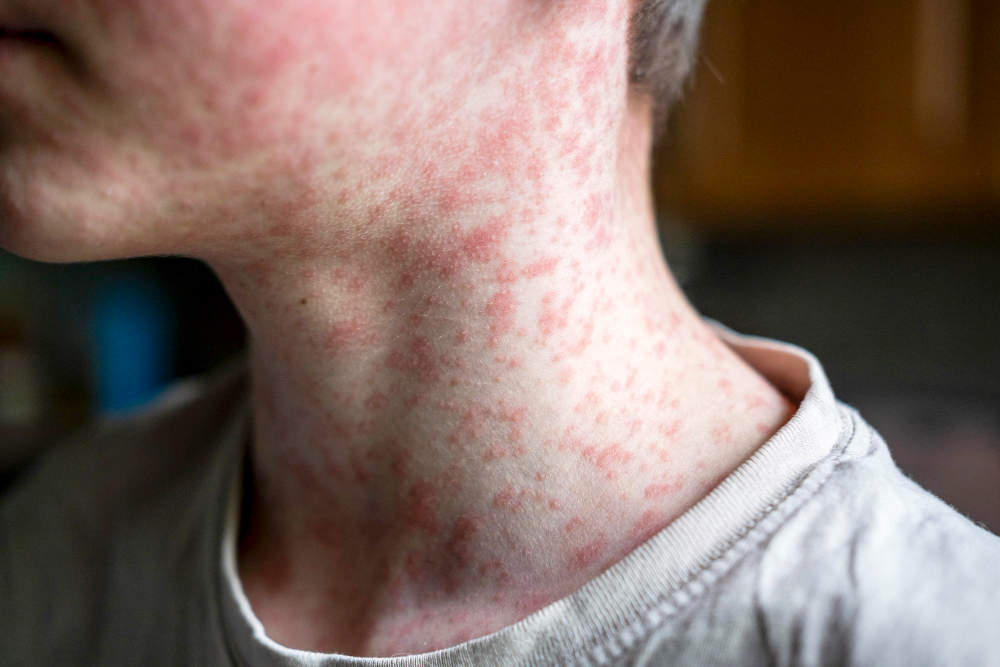
A red-brown blotchy rash that usually starts on the face or behind the ears and spreads down the body
The rash typically appears several days after the initial fever.
Possible Complications
Although many children recover fully, measles can lead to serious complications, including:
-
Ear infections
-
Pneumonia
-
Severe diarrhoea and dehydration
-
Encephalitis (inflammation of the brain)
-
Rare but serious long-term neurological complications
Babies under one year old, pregnant women and people with weakened immune systems are at greater risk of severe illness.
What To Do If You Suspect Measles
If you think your child may have measles:
-
Keep them at home and avoid contact with others, especially babies, pregnant women and vulnerable individuals.
-
Call your GP surgery or use NHS telephone or online services before attending in person, so they can advise safely and prevent further spread.
-
Make sure your child rests and drinks plenty of fluids.
-
Seek urgent medical help if your child develops breathing difficulties, severe drowsiness, dehydration, fits, or if you are otherwise seriously concerned.
Children with measles should usually stay off school or nursery for at least four days after the rash appears.
Vaccination: The Best Protection
The MMR vaccine remains the safest and most effective way to protect against measles. Two doses provide very high levels of protection.
The vaccine is free on the NHS across England, Wales and Scotland. If you are unsure whether your child has received both doses, check their Red Book or contact your GP practice.
Catch-up vaccinations are available at any age. Public health experts stress that high vaccination coverage protects not only individual children but also vulnerable members of the community who cannot be vaccinated.
Key Advice for Parents
-
Measles is highly contagious and spreading again in parts of the UK.
-
Early symptoms can resemble a cold, but watch for high fever and the characteristic rash.
-
Keep suspected cases at home and seek medical advice by phone first.
-
Ensure your child has received both doses of the MMR vaccine.
Health Advice Numbers
-
NHS 111 (England) – call 111 or visit 111.nhs.uk
-
NHS Wales 111 – call 111 (where available in your area) or visit 111.wales.nhs.uk
-
NHS Inform (Scotland) – call 111 or visit nhsinform.scot
-
Emergency – call 999 if your child is seriously unwell
References
-
UK Health Security Agency – Measles surveillance data
-
Public Health Wales – Measles surveillance and immunisation guidance
-
Public Health Scotland – Measles data and vaccination information
-
World Health Organization – Measles elimination status reports
-
NHS – Measles symptoms, treatment and vaccination guidance