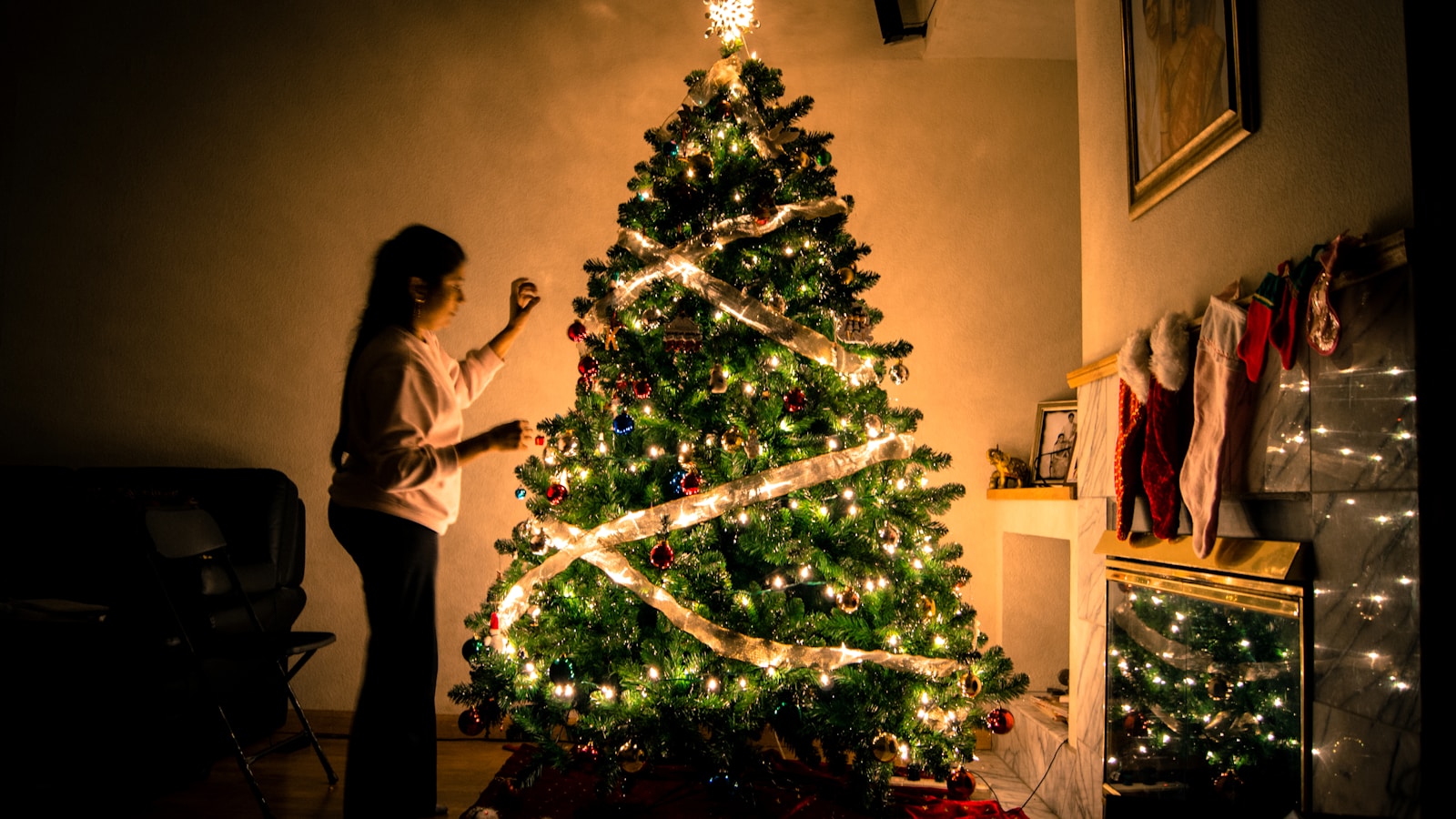
Christmas is a season of joy and festivities, but for some, it can also bring unexpected health challenges. From your Christmas tree to holiday decorations, hidden allergens could be contributing to cold-like symptoms—especially if you suffer from asthma, eczema, or other sensitivities.
Dr. Bhavini Shah, GP at LloydsPharmacy Online Doctor, explains why your sniffles and sneezes might not just be the common cold, but allergies triggered by your holiday décor.
Why Do Allergies Seem Worse at Christmas?
“Many people associate a runny nose or sneezing during the winter months with catching a cold,” says Dr. Shah. “However, these symptoms could actually be signs of an allergic reaction caused by Christmas decorations. Allergies occur when your immune system overreacts to harmless substances, such as dust or mould, mistaking them for harmful invaders. This reaction releases chemicals that trigger symptoms like congestion, sneezing, and watery eyes.”
What is Christmas Tree Syndrome?
Dr. Shah highlights a condition known as Christmas Tree Syndrome, a term used to describe respiratory issues and allergic reactions caused by real Christmas trees.
“Real trees can carry mould spores, pollen, or other allergens that may trigger sneezing, coughing, itchy eyes, or even asthma flare-ups. For people with asthma, exposure to these allergens can sometimes cause more severe symptoms, including difficulty breathing or wheezing.”
Interestingly, a YouGov survey found that 63% of UK adults now prefer artificial trees, which may help reduce exposure to some of these allergens.
Pollen Problems in Christmas Trees
Although pollen is typically associated with spring and summer, real Christmas trees can also carry pollen, potentially triggering hay fever-like symptoms for those with sensitivities.
“If you’re prone to pollen allergies or asthma, an artificial tree may be a better option,” Dr. Shah suggests.
Hidden Allergens in Dusty Decorations
Christmas decorations stored away for much of the year can accumulate dust, which often contains a mixture of pollen, mould spores, and dust mites. When decorations are unpacked and handled, these allergens can become airborne and trigger reactions.
Tips to reduce dust allergies:
- Wipe down decorations with a damp cloth before use.
- Store decorations in airtight containers or vacuum bags to prevent dust buildup.
Dust Mites and Allergies
Dust mites, though microscopic, can cause significant allergic reactions. Their waste particles contain proteins that can trigger sneezing, runny noses, itchy eyes, and even skin rashes.
“Unpacking dusty decorations can stir up these particles, so be cautious if you’re sensitive to dust mites,” Dr. Shah advises.
Mould Spores and Real Trees
Mould spores are another common allergen that can be found on real Christmas trees, particularly those grown in damp outdoor conditions. When these trees are brought indoors, the warm environment can cause mould spores to release into the air.
Dr. Shah’s tips for managing mould allergens:
- Shake the tree outdoors to remove dust, mould, and pollen.
- Keep the tree in the coolest part of the house to limit mould growth.
- If mould has triggered symptoms in the past, consider opting for an artificial tree.
Christmas Scented Candles: An Overlooked Trigger
While scented candles add a cozy, festive ambiance, they can release volatile organic compounds (VOCs) and synthetic fragrances that irritate the respiratory system.
“If you’re sensitive to chemicals or fragrances, stick to unscented candles or avoid them altogether,” suggests Dr. Shah.
How to Enjoy a Healthier Holiday Season
If allergies have previously put a damper on your Christmas celebrations, these simple steps can help minimize exposure to common triggers:
- Choose artificial decorations if mould, pollen, or dust has caused issues in the past.
- Clean decorations thoroughly before use and store them properly after the season.
- Avoid scented candles if you’re sensitive to fragrances, opting for unscented alternatives instead.
- Shake down real trees before bringing them indoors, and keep them in a cool area to slow mould growth.
By being mindful of potential allergens, you can create a festive yet healthy environment and truly enjoy the spirit of the season.