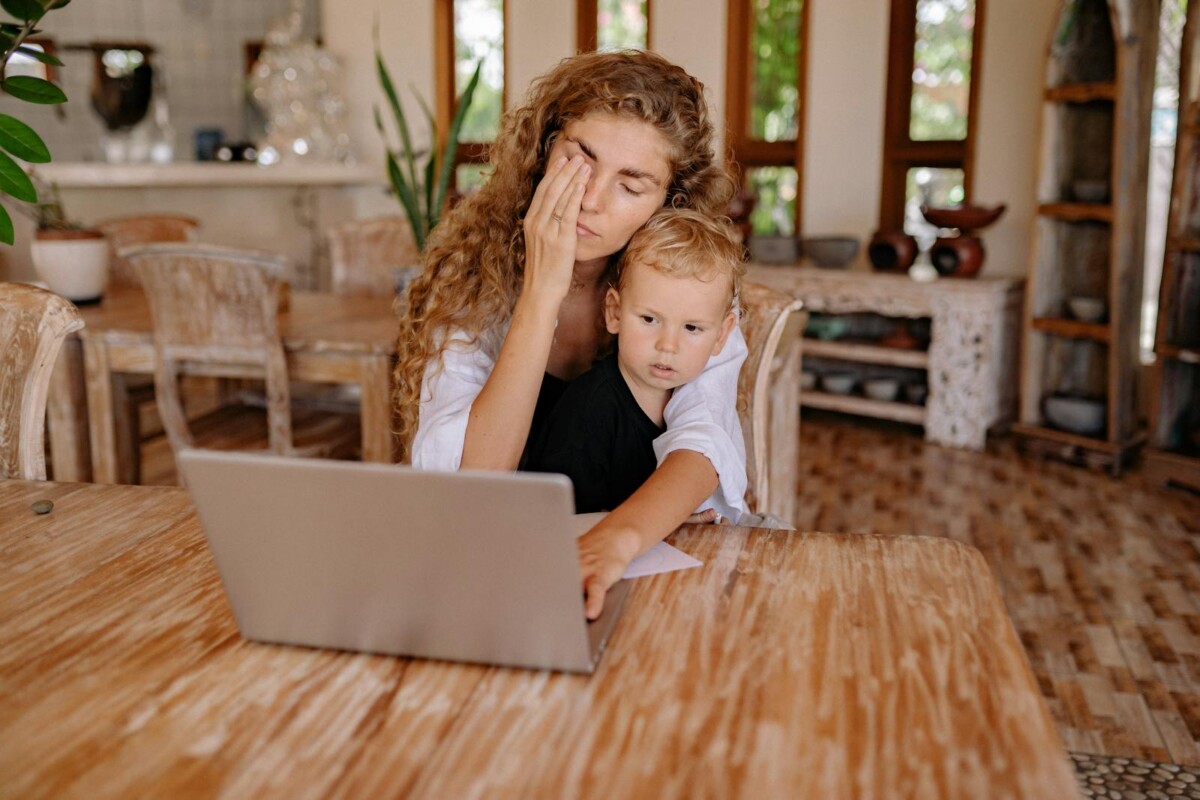
As mums, we want our children to have fun, learn new things and enjoy their free time. Gaming apps can be entertaining and sometimes educational, but it’s important to be aware of the risks they may pose to our children’s health, safety and well-being.
Here are some practical ways to help protect your children while allowing them to enjoy gaming safely.
- Set healthy screen-time limits
Spending too much time playing games can affect children’s sleep, concentration, schoolwork and physical activity. Encourage regular breaks and make sure gaming doesn’t take priority over homework, family time, exercise or sleep.
- Know what your children are playing
Take an interest in the games your children enjoy. Check age ratings and read about the game’s content before allowing them to play. Some games may contain violence, inappropriate language or themes that aren’t suitable for younger children.
- Protect them from online strangers
Some gaming apps allow children to chat or interact with other players. Talk to your children about never sharing personal information, photographs, their location or passwords with strangers online. Encourage them to tell you if anyone makes them feel uncomfortable.
- Be careful with in-app purchases
Some games encourage children to buy extra lives, characters, coins or other features. Turn off unauthorised purchases, use password protection and explain that virtual items can cost real money.
- Look after their emotional well-being
Notice how your child behaves before, during and after gaming. If they become unusually angry, anxious, upset or withdrawn, it may be time to review their gaming habits and offer support. If gaming is affecting their everyday life, consider seeking advice from an appropriate professional.
- Use parental controls
Many phones, tablets, consoles and gaming apps offer parental controls. These can help you manage screen time, restrict unsuitable content, limit spending and control who can communicate with your child.
- Encourage activities away from screens
Help your children find a healthy balance by enjoying outdoor play, sports, reading, hobbies and family activities. Children should have plenty of opportunities to socialise and develop interests beyond gaming.
- Keep communication open
Rather than simply banning games, talk to your children about why online safety matters. Ask them what they enjoy playing, who they play with and whether anything online has made them feel worried. Let them know they can come to you without fear of being blamed.
A final message to mums
You don’t have to stop your children from gaming altogether. The most important thing is to stay involved, set clear boundaries and help them understand how to use gaming apps responsibly.
The Online Safety Act 2023 is a UK law designed to make the internet safer, particularly for children. It places legal responsibilities on online services covered by the Act to protect children from illegal content and harmful, age-inappropriate material. Some online gaming platforms, especially those that allow users to communicate or share content, may fall within its scope.
As mums, it is important to understand that this law provides additional protection, but it does not mean every gaming app is automatically safe. You should still check the games your children use, supervise online interactions and report inappropriate content or behaviour through the platform’s reporting tools.
If you are concerned about a gaming platform’s safety measures, you can find information about your rights and the protections available through Ofcom’s online safety guidance.
The law helps hold online services accountable, but your involvement remains important. By staying informed, talking openly with your children and using parental controls, you can help them enjoy the online world more safely.
Remember, mums: stay informed, stay involved and stay connected. A little guidance today can help your children develop safer and healthier digital habits for the future.