Can you make this about kids finishing for summer holidays now: Sleep expert warns half-term ‘tire them out’ tactic could be wrecking kids’ sleep As half term looms, many parents are already planning packed days of outings and later nights in the hope of wearing their children out. But according to one sleep expert, that well-meaning plan could be setting families up for nights of chaos. Ilona Andrews, a certified child sleep consultant and founder of baby and child sleepwear brand Sleeping Stars, said school holidays often trigger one of the biggest mistakes parents make when it comes to sleep. The Lullaby Trust advises keeping children’s and babies’ sleep routines and safe sleep practices consistent for every sleep, day and night, yet school holidays can easily disrupt that predictability. Ilona said: “Parents assume that if children are busy enough during the day, they’ll sleep better at night. But overtired children don’t sleep better, they sleep worse. “By bedtime, their bodies are flooded with stress hormones like cortisol and adrenaline. They’re exhausted but wired, which is why evenings during half term can quickly descend into bedtime battles and tears. “But there’s a handful of simple tricks that parents can implement that mean they can stop the chaos at the source and keep half term routines from spiralling out of control.” To help parents avoid half-term sleep fallout, Ilona has shared three practical sleep hacks to protect routines during the break. Lock the routine, even if bedtime shifts “It’s not just the bedtime that matters, it’s the pattern. Even if bedtime creeps 20 to 30 minutes later during half term, parents should keep the exact same order of events every evening, such as bath, pyjamas, story and lights out. “When the routine disappears, children don’t get the signal that sleep is coming. That’s when resistance increases and settling gets harder night after night.” Always put screens to bed before your child “One of the fastest ways to disrupt sleep is letting screens creep into the evening. It’s tempting to lean on letting them watch a film until bedtime when it’s half term and you’re running out of ideas or budget for other activities, but to stop any blue light interference with your little one’s melatonin production, TVs, tablets and phones should be switched off around an hour before bed. “Even if a child looks calm while watching a screen, their brain is still switched on. Once screentime is are capped to prevent it creeping into the last hour before bedtime, parents are often shocked at how much easier bedtime becomes.” Make the bedroom boring on purpose “If a bedroom feels exciting, children won’t want to sleep in it. It can be easy for toys, games and clutter to take over bedrooms during holidays and turn what is normally a sleep space into a play zone. “Tidying toys away before bed, lowering lighting and keeping the room dark, cool and calm sends a clear message that this space is for rest. Blackout curtains can also make a huge difference, keeping the room dark and calm so it naturally encourages sleep”. Ilona said racking up sleep debt across half term isn’t a huge problem, but it can come back to haunt you when term time rolls back around: “A few later nights during half term won’t do lasting damage, but letting sleep slip night after night can quickly add up. “When children aren’t getting good-quality, consistent sleep, it affects everything from their behaviour and mood to how they cope during the school day. Sleep isn’t a luxury, it’s a vital part of keeping children healthy and safe.” For information on Sleeping Stars products, please visit https://www.shopsleepingstars.com Sleep expert warns summer holiday ‘tire them out’ tactic could be wrecking kids’ sleep As schools break up for the summer holidays, many parents will be planning packed days, outdoor activities and later nights in the hope of wearing their children out. But according to one sleep expert, that well-meaning approach could be setting families up for weeks of bedtime chaos. Ilona Andrews, a certified child sleep consultant and founder of baby and child sleepwear brand Sleeping Stars, said the long summer break often triggers one of the biggest mistakes parents make when it comes to children’s sleep. The Lullaby Trust advises keeping babies’ and children’s sleep routines and safe sleep practices consistent for every sleep, day and night. However, later sunsets, holidays and the loss of the usual school-day structure can easily disrupt that predictability during summer. Ilona said: “Parents often assume that if children are busy enough during the day, they’ll sleep better at night. But overtired children don’t sleep better – they sleep worse. “By bedtime, their bodies can be flooded with stress hormones such as cortisol and adrenaline. They’re exhausted but wired, which is why a full day of summer activities can end in bedtime battles, tears and repeated wake-ups rather than a peaceful night’s sleep. “With six weeks stretching ahead, small changes can quickly become new habits. The good news is that there are a handful of simple things parents can do to enjoy more flexibility without allowing sleep routines to spiral completely out of control.” To help families avoid a summer of sleepless nights, Ilona has shared three practical ways to protect children’s routines during the school holidays. Keep the routine, even if bedtime shifts “It’s not only the time a child goes to bed that matters – it’s the familiar pattern leading up to it. Bedtime may naturally creep 20 to 30 minutes later during the summer holidays, but parents should try to keep the same order of events each evening, such as bath, pyjamas, story and lights out. “When that routine disappears completely, children lose the signals that tell their bodies sleep is coming. That’s when resistance can increase and settling may become harder as the holidays go on. “There’s room to be flexible for trips, family events and special occasions, but keeping the basic structure in place on most nights will make a real difference.” Put screens to bed before your child “One of the fastest ways to disrupt sleep is allowing screens to creep into the final part of the evening. It can be tempting to put on another film or hand over a tablet when the children are off school and parents are running out of activities, energy or budget, but TVs, tablets and phones should ideally be switched off around an hour before bed. “Even if a child looks calm while watching something, their brain may still be highly stimulated. Once screen time is prevented from creeping into that final hour, parents are often surprised by how much more easily children begin to wind down.” Make the bedroom boring on purpose “If a bedroom feels exciting, children won’t want to sleep in it. During the summer holidays, toys, games and clutter can quickly take over and turn what is normally a sleep space into an all-day play zone. “Tidying toys away before bed, dimming the lights and keeping the room cool, dark and calm sends a clear message that the space is now for rest. “Long, light evenings can make settling particularly difficult during summer, so blackout curtains or blinds may also help to create a darker environment and signal that it’s time for sleep.” Ilona said a few later nights over the holidays are unlikely to cause lasting problems, but allowing sleep debt to build across the entire summer could make the eventual return to school far more difficult. She added: “The summer holidays should be fun, and parents shouldn’t feel guilty about occasional late nights or changes to the usual routine. The problem comes when bedtime slips later every night and children never get the opportunity to catch up. “Poor-quality or inconsistent sleep can affect everything from a child’s behaviour and mood to their ability to cope with everyday activities. It can also make resetting routines before September feel like an enormous battle. “Sleep isn’t about taking the fun out of summer. Maintaining a few familiar boundaries helps children enjoy the holidays without becoming completely exhausted by them.” For information on Sleeping Stars products, please visit https://www.shopsleepingstars.com Can you make the wording a bit different please, so it doesnt sound the same as the original Sleep expert warns packed summer schedules could leave children ‘exhausted but wide awake’

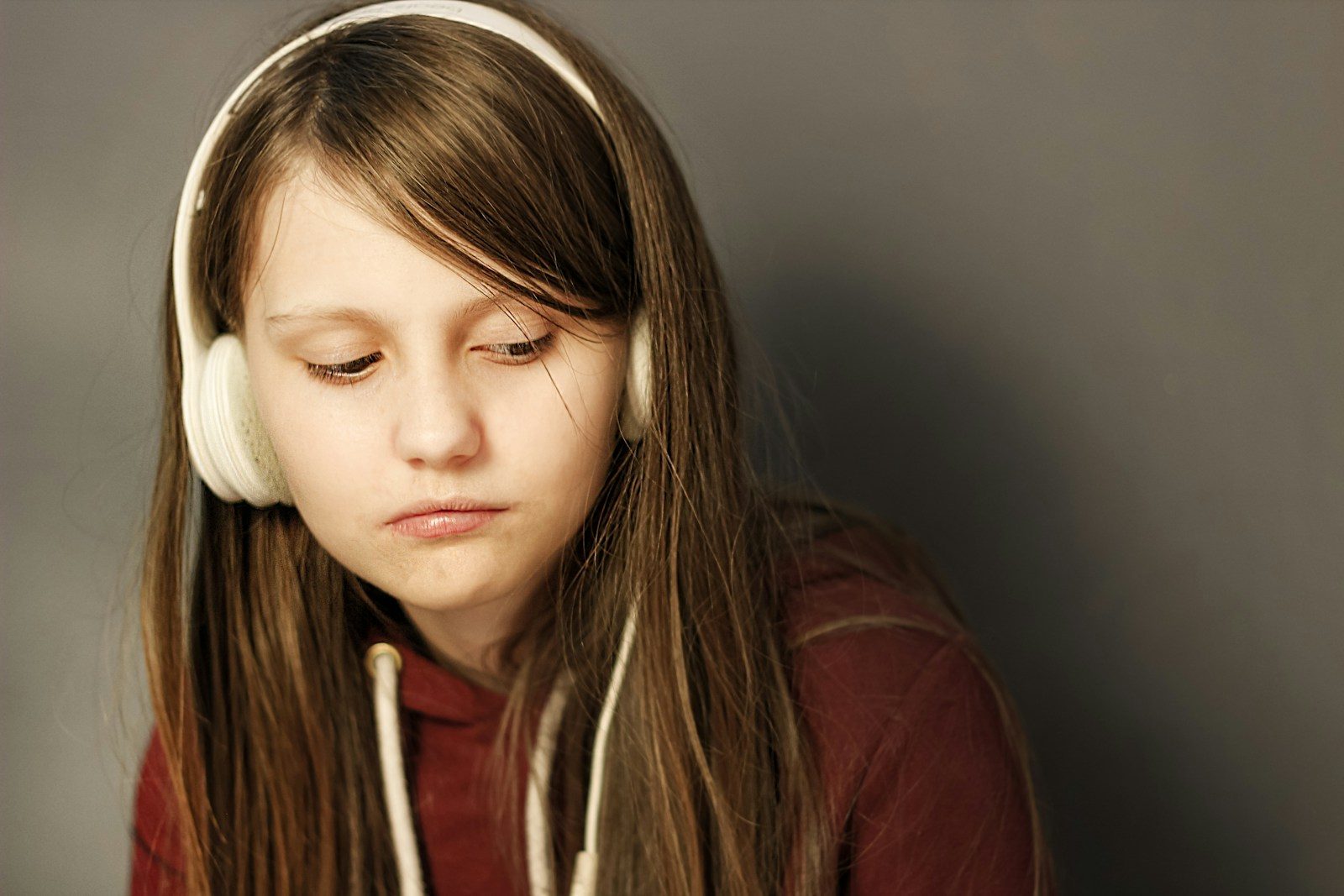
woman in red long sleeve shirt

With schools breaking up for summer, parents are being warned that filling every day with activities in an attempt to tire children out could have the opposite effect at bedtime.

Later evenings, family trips and a sudden lack of school-day structure can all cause children’s usual sleeping patterns to slip. While parents might expect a busy day to lead to a peaceful night, sleep expert Ilona Andrews says pushing children beyond tiredness can make them considerably harder to settle.

Ilona, a certified child sleep consultant and founder of baby and child sleepwear brand Sleeping Stars, said: “There’s a common belief that the more energy children burn during the day, the more soundly they’ll sleep that night. Unfortunately, sleep doesn’t always work like that.

“Once children become overtired, their bodies produce cortisol and adrenaline to keep them going. This can leave them visibly exhausted but still unable to switch off, often resulting in restlessness, emotional outbursts and prolonged bedtime battles.

“Summer doesn’t need to run according to a rigid timetable, but abandoning every part of the usual routine can make the six-week break much more difficult for the whole family.”

The Lullaby Trust recommends maintaining consistent routines and following safe sleep practices for every sleep, both during the day and at night. However, holidays, warm weather and lighter evenings can make that consistency more difficult to maintain.

To help families enjoy the break without completely losing their sleep routine, Ilona has shared three changes parents can make this summer.

Focus on familiar cues rather than the clock

“Parents don’t necessarily need to insist on exactly the same bedtime throughout the holidays. A slightly later night is often part of summer, particularly when families are away or attending a special event.

“What matters is giving children the same sequence of signals that the day is ending. Running a bath, changing into pyjamas, reading together and then turning out the lights can all help the brain recognise that it’s time to slow down.

“If bedtime changes every night and the usual wind-down routine disappears with it, children have very little opportunity to prepare themselves for sleep.”

Create a screen-free final hour

“When children are off school, screen time can easily stretch later into the evening. Another episode or film may seem like a useful way to keep them occupied, but it can make the transition to bed much more abrupt.

“Try to end screen use around an hour before bedtime and replace it with something slower, such as reading, colouring or listening to a story.

“A child may appear physically relaxed in front of a tablet or television, but their mind can still be highly alert. Giving their brain time to settle before bed can make the entire process feel less confrontational.”

Turn daytime play spaces back into bedrooms

“During a long school holiday, bedrooms can quickly become filled with toys, games and half-finished activities. If children have been playing there throughout the day, they may struggle to see the same room as somewhere they are expected to become quiet and sleep.

“Before bedtime, clear away the most distracting items, dim the lights and reduce noise to mark the change from playtime to rest.

“The long daylight hours can be another barrier during summer. Blackout curtains or blinds can help create a darker environment, while keeping the room comfortably cool can also make it easier for children to settle.”

Ilona stressed that parents do not need to panic about the occasional late night, but warned that allowing bedtimes to drift throughout the entire holiday could create problems by the end of August.

She said: “Individual late nights are part of family life and aren’t going to undo a child’s routine. It becomes an issue when later nights happen repeatedly without children being given enough opportunity to recover.

“Over several weeks, that lost sleep can affect their mood, behaviour and ability to manage everyday frustrations. It can also leave parents facing a major adjustment when school starts again.

“The aim isn’t to make summer feel like term time. It’s simply to hold on to enough familiar structure that children remain well-rested while still enjoying the freedom of the holidays.”

For information on Sleeping Stars products, please visit https://www.shopsleepingstars.com.
Leave a Reply

Your email address will not be published. Required fields are marked *