New research reveals 86.9% of London parents say their child loses focus within 30 minutes, as families look for practical ways to rebuild children’s attention spans
Nearly nine in ten London parents say their child cannot concentrate for the duration of a full school lesson, according to new research highlighting growing concerns over children’s shrinking attention spans.
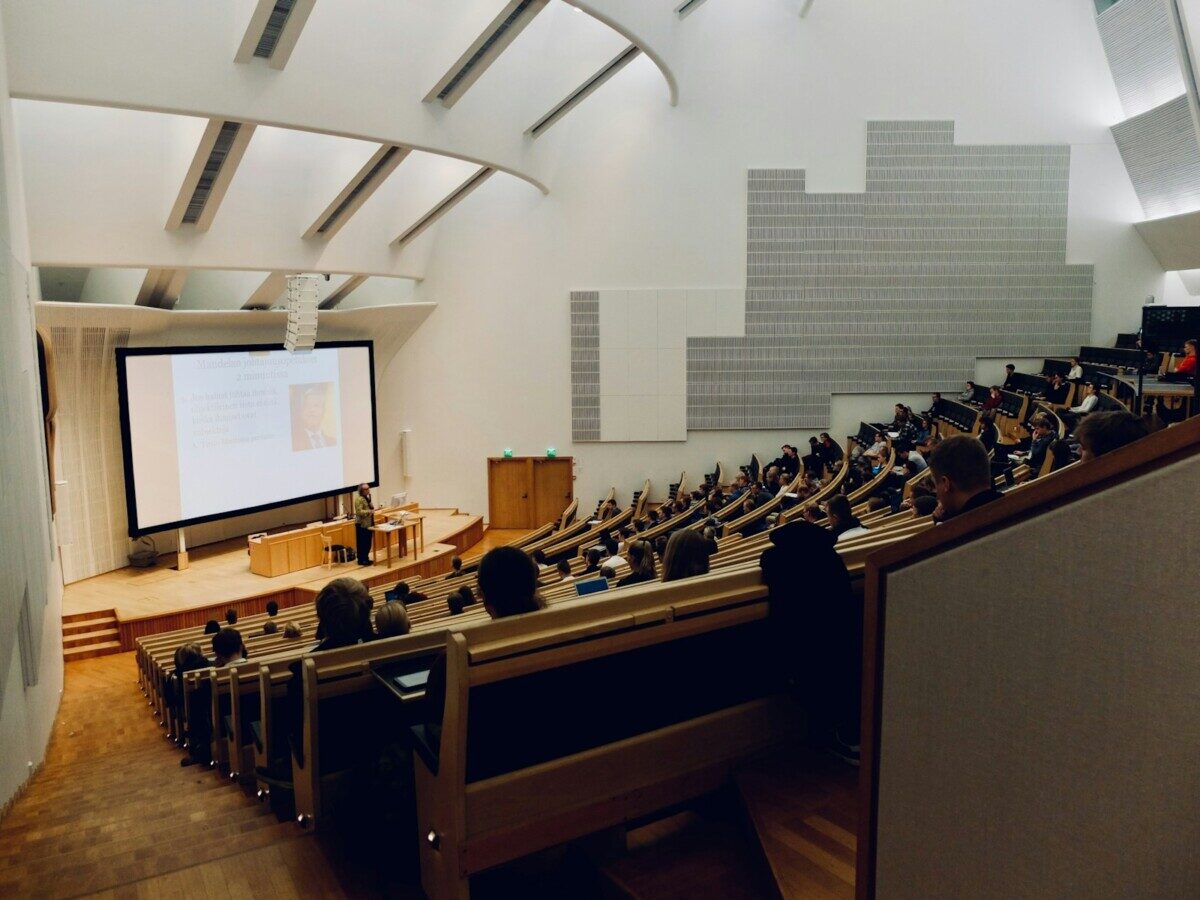
A study commissioned by Harrows Darts found that 86.9% of London parents believe their child can focus for no more than 30 minutes before becoming distracted. This is around 15 minutes less than the average secondary school lesson.
The research also found children and teenagers can concentrate for an average of just 21 minutes before their attention begins to drift, prompting concern among families that modern screen habits are making it harder for young people to focus, persevere and learn.
With London children spending increasing amounts of time using phones, tablets and other digital devices, many parents fear the impact is now being felt in classrooms as well as at home.
More than two-thirds of London parents said they are concerned about the impact screen time is having on their child’s attention span, while many also worry it is affecting their child’s mental wellbeing.
Parents believe the issue extends far beyond social media. Short-form video content, gaming and fast-paced digital entertainment were all identified as key reasons children are struggling to maintain concentration. Nationally, more than four in ten parents said their child spends at least three hours a day on screens, while one in eight spends five hours or more, more than double the recommended amount for children and teenagers.
Many parents also believe children are finding it harder to stick with activities, cope with frustration and develop patience, raising concerns that the effects are extending beyond education into everyday life.
Despite these challenges, parents are optimistic that practical, screen-free activities could help reverse the trend. Nationally, 85% believe hands-on activities improve children’s concentration and social interaction, while more than two-thirds said they would support darts being introduced into schools.
Teachers are seeing similar patterns. A 2025 global survey by Cambridge International found that 88% of teachers believe students’ attention spans are getting shorter, reinforcing concerns that sustained concentration is becoming increasingly difficult in classrooms.
Harrows Darts believes schools have an opportunity to tackle the issue by introducing activities that reward focus, patience and perseverance.
Its NxtGen: Harrows in Education programme has been developed to help secondary schools introduce darts in a structured educational setting, using the sport to support concentration, mental maths, resilience, confidence and wellbeing.
Following a successful pilot, schools across the UK are now being invited to join the programme. NxtGen provides schools with a complete darts education package, including dartboards, surrounds, oche mats, darts, scoring equipment, branded flights, setup guidance and teacher-written lesson plans, making it easy to introduce the sport safely while linking activities to the curriculum.
Ciaran Prendergast, Assistant Headteacher at Simon Balle All-through School, in Hoddesdon, Hertfordshire, who developed the educational resources for NxtGen with Harrows Darts, said:
“At a time when many young people are competing with constant digital distractions, darts offers something refreshingly different. It develops sustained concentration, mental arithmetic, resilience and self-discipline in a fun, inclusive environment.
“The Harrows NxtGen resources have made it easy for teachers to bring darts into the classroom, providing creative, cross-curricular activities that support learning while introducing students to a sport they may never have considered.
“As teachers, we’re increasingly aware that sustained concentration is becoming more challenging for many young people. Darts is an excellent way of developing focus because every throw requires students to slow down, think carefully and block out distractions.”
Damian Ara from Harrows Darts said:
“Parents are telling us they don’t simply want children spending less time on screens. They want more opportunities for young people to develop the skills that screens cannot replace, including focus, patience and resilience.
“Darts is simple, affordable and accessible, but it also teaches concentration, mental maths and confidence in a way that feels enjoyable rather than forced.
“With darts booming across the UK, NxtGen gives schools a practical way to turn that excitement into something positive for pupils, while potentially inspiring the next generation of talent.”