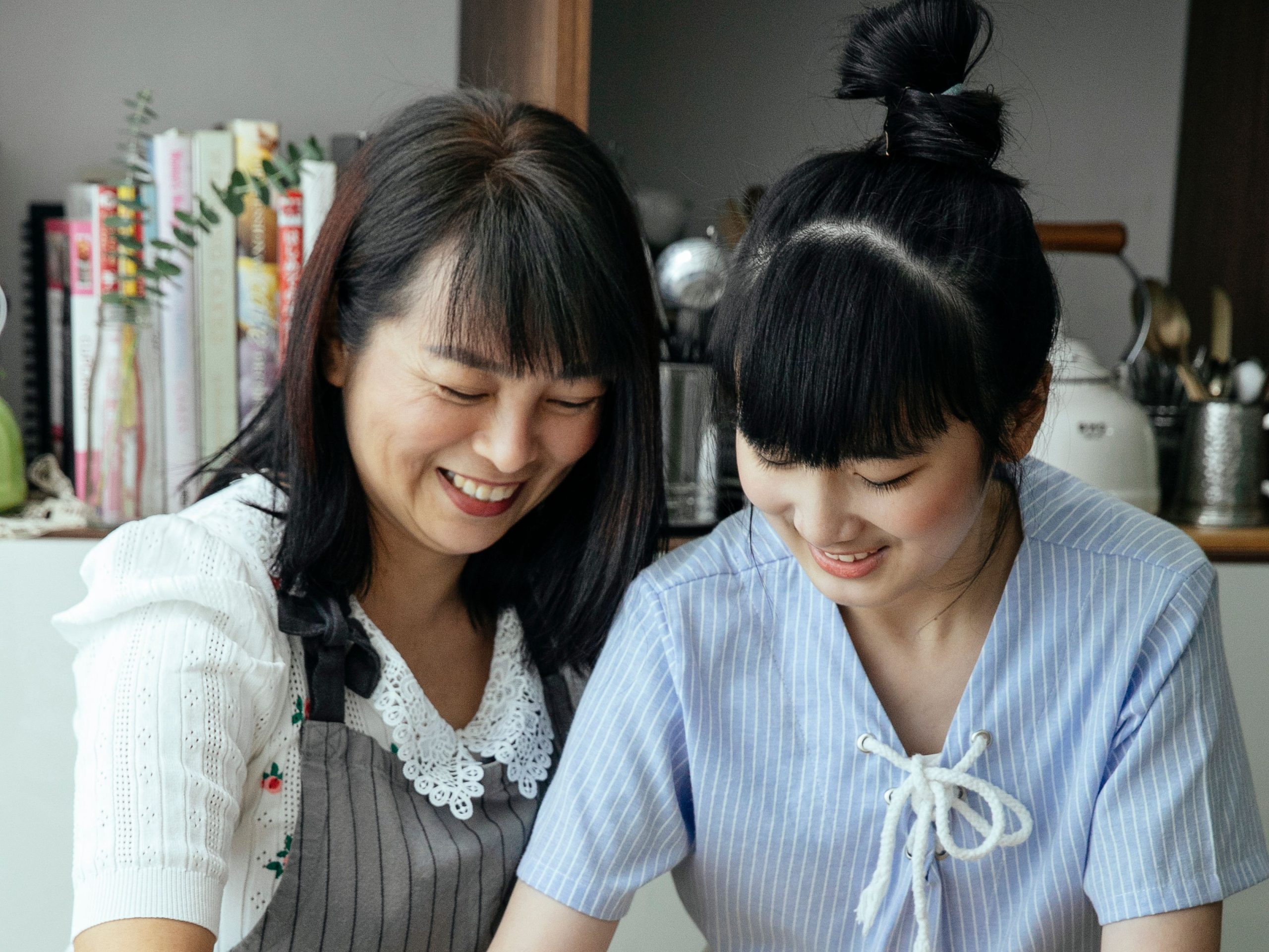
Many parents spend years preparing their children for school, exams and future careers. Far fewer of us are prepared for the emotional journey that comes with raising a teenager. One day your child happily tells you every detail of their day. The next, you are greeted with one-word answers and a closed bedroom door. It can feel confusing, frustrating and sometimes heartbreaking.
While every child is different, there are steps parents can take long before the teenage years arrive to build stronger communication and trust. The earlier we start these conversations, the easier it becomes to keep them going when life becomes more complicated.
Talk About Feelings Early
Children cannot express emotions they have never been taught to recognise. From a young age, encourage conversations about feelings beyond simply being happy, sad or angry.
Help children understand that all emotions are normal and that talking about them is healthy. When they grow up feeling comfortable discussing their emotions, they are more likely to reach out when they face challenges later in life.
Create a Home Where Questions Are Welcome
Children are naturally curious. Whether they are asking about friendships, social media, body image or mental health, it is important that they know they can come to you without fear of criticism or embarrassment. You do not need to have all the answers. Often, being willing to listen is far more valuable.
The goal is not to become the expert on everything. The goal is to become the person they trust enough to ask.
Discuss Body Image and Self-Worth
Young people are growing up in a world filled with comparison. Social media, advertising and peer pressure can all influence how children see themselves. Start conversations early about self-worth, confidence and the difference between appearance and value. Help children understand that who they are matters far more than how they look.
These conversations create a strong foundation that can help protect them from harmful messages as they grow older.
Normalise Talking About Mental Health
Just as we talk openly about physical health, we should also talk openly about mental health. Children should know that feeling anxious, overwhelmed or upset from time to time is part of being human. More importantly, they should know it is okay to ask for help.
The more we normalise these conversations, the less likely children are to suffer in silence.
Learn to Listen Without Immediately Fixing
As parents, our instinct is often to solve problems. However, teenagers frequently need understanding before they need solutions. When children come to us with a concern, try asking questions before offering advice.
Simple responses such as “That sounds difficult” or “Tell me more about that” can encourage deeper conversations and help children feel heard.
Keep Communication Open During the Good Times
Many parents wait until something is wrong before trying to have important conversations. However, the strongest relationships are built during ordinary moments.
Talk during family meals, car journeys, walks and everyday routines. These small interactions build trust over time and create a sense of connection that becomes invaluable when challenges arise.
A Final Thought
If there is one message I would like every parent to take away, it is this:
You do not need to have perfect conversations. You simply need to keep the conversation going. Strong parent-child relationships are built through thousands of small moments of listening, understanding and showing up consistently.
The earlier we create those habits, the easier it becomes to stay connected through the teenage years and beyond. Your child may not always show it, but your willingness to listen could make more difference than you ever realise.
Struggling to communicate? Through Deeper Connections, I offer communication coaching for parents. I am passionate about helping parents build deeper connections with their teenage children, navigate through mental health challenges, and create stronger, more resilient families, through communication, motivation and inspiration!