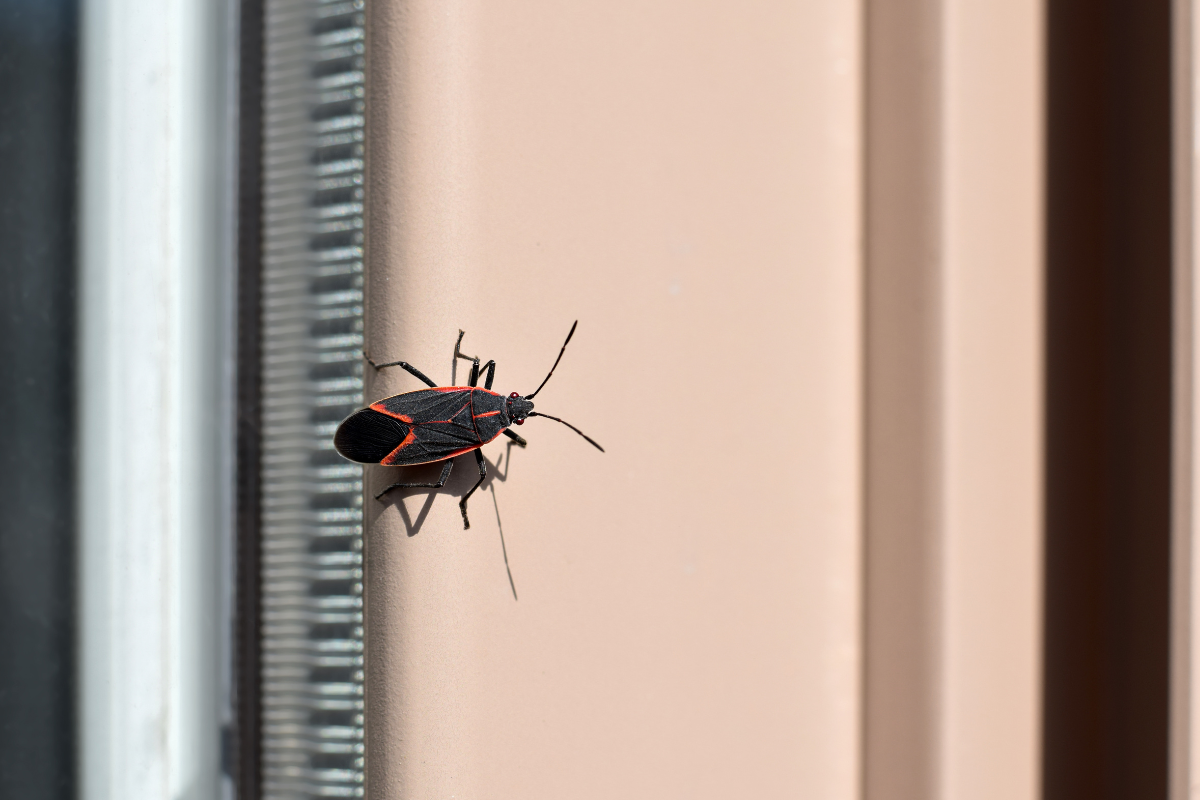
As the weather finally warms up and families begin opening windows more often, experts are warning that many UK homes could be unknowingly inviting insects inside — with tiny, easily missed gaps around windows and frames acting as entry points for pests.
With spring marking the start of peak insect activity, as eggs hatch and populations increase, even well-kept homes can become vulnerable. According to property specialists, it doesn’t take much: small cracks, worn seals, or slightly degraded frames can be enough for bugs to find their way indoors.
For busy households juggling school runs, work and family life, these issues often go unnoticed until the problem becomes visible — but by then, insects may already have found a way in.
Allan Reid, uPVC specialist and founder of Art Windows and Doors, says spring is the time when these hidden weak spots become most obvious.
“Most people don’t realise how small the entry points can be,” he explains. “Even hairline cracks, slight gaps in frames, or worn seals around windows can be enough for insects to find their way inside.
“As soon as temperatures rise, bugs start actively looking for shelter — and homes with older or poorly maintained windows often become an easy target.”
The hidden gaps most homeowners miss
Reid says one of the biggest issues is gradual wear and movement in window frames over time — something many families simply don’t notice day to day.
“Over time, buildings naturally shift and materials expand and contract with temperature changes,” he says. “That creates tiny gaps that often go unnoticed, but they’re exactly what insects exploit.”
For busy parents, these are often not visible problems until insects are already getting inside, particularly in kitchens, bedrooms or near light sources in the evening.
A simple maintenance job that often gets forgotten
Another common weak spot is weatherstripping — the rubber or foam seals around windows that help keep out both draughts and pests.
“Damaged or degraded weatherstripping doesn’t just affect insulation — it can also make it much easier for pests to slip through unnoticed,” Reid explains. “It’s a simple, low-cost fix, but it’s often ignored until the problem becomes obvious.”
He recommends regular checks around window edges, especially after winter, when cold weather can cause seals to shrink, crack or lift.
When windows themselves become the problem
In some cases, Reid says, older or deteriorating windows can make pest problems harder to control.
“If windows are draughty, it’s usually a sign that seals have failed,” he says. “That doesn’t just let air out — it also creates multiple small access points around the frame.
“In those cases, no amount of patching will fully solve the issue. Replacement may be the only long-term fix.”
Modern uPVC and aluminium systems, he adds, are designed to create a much tighter seal, helping reduce both draughts and unwanted insect entry while also improving energy efficiency.
Don’t overlook window screens
Window screens can also play an important role in keeping bugs out — particularly in warmer months when families are more likely to open windows for fresh air.
“They’re incredibly effective when maintained properly,” says Reid. “But even small tears or weak points can completely undermine them.”
“If they’re damaged, replacing them is a simple way to immediately reduce the risk of insects getting inside.”
A quick seasonal check for peace of mind
While it may not be at the top of the to-do list for busy households, experts say a quick spring check of windows, seals and screens can make a noticeable difference — helping families keep homes more comfortable, cleaner and free from unwanted visitors as the warmer months continue.